
Water-Resistant Floors Built for Practical Daily Use
Luxury vinyl plank flooring in Surprise for homeowners dealing with moisture exposure, high-traffic areas, or subfloor conditions that rule out wood-based products
What changes after a properly installed LVP floor is finished is immediately apparent: rooms that previously showed moisture damage patterns, worn seams, or surface peeling now have a continuous, stable surface that doesn't react to spills or humidity shifts. Accent Home Improvements LLC produces that result through a process that starts with a moisture assessment of the existing subfloor—because LVP's water resistance only performs as advertised when the surface beneath it is evaluated and prepared correctly. The business installs luxury vinyl plank for homeowners across Surprise and Peoria who are balancing durability, maintenance requirements, and realistic installation costs.
In the Surprise area, LVP has grown in demand as homeowners recognize that wood-based flooring products carry moisture risk in bathrooms, laundry areas, and kitchens—spaces where spills are routine and subfloor moisture readings can run higher than in central living areas. The LVP installation process includes subfloor moisture assessment, material acclimation to interior temperature conditions, leveling where needed, transition strip installation, and furniture relocation. Skipping the acclimation step is one of the more common shortcuts in LVP installation, and it causes dimensional changes in the planks after installation that show up as buckling or gapping within the first season.
Arrange a subfloor evaluation and material consultation to determine whether LVP is the right match for your specific rooms and existing floor conditions.
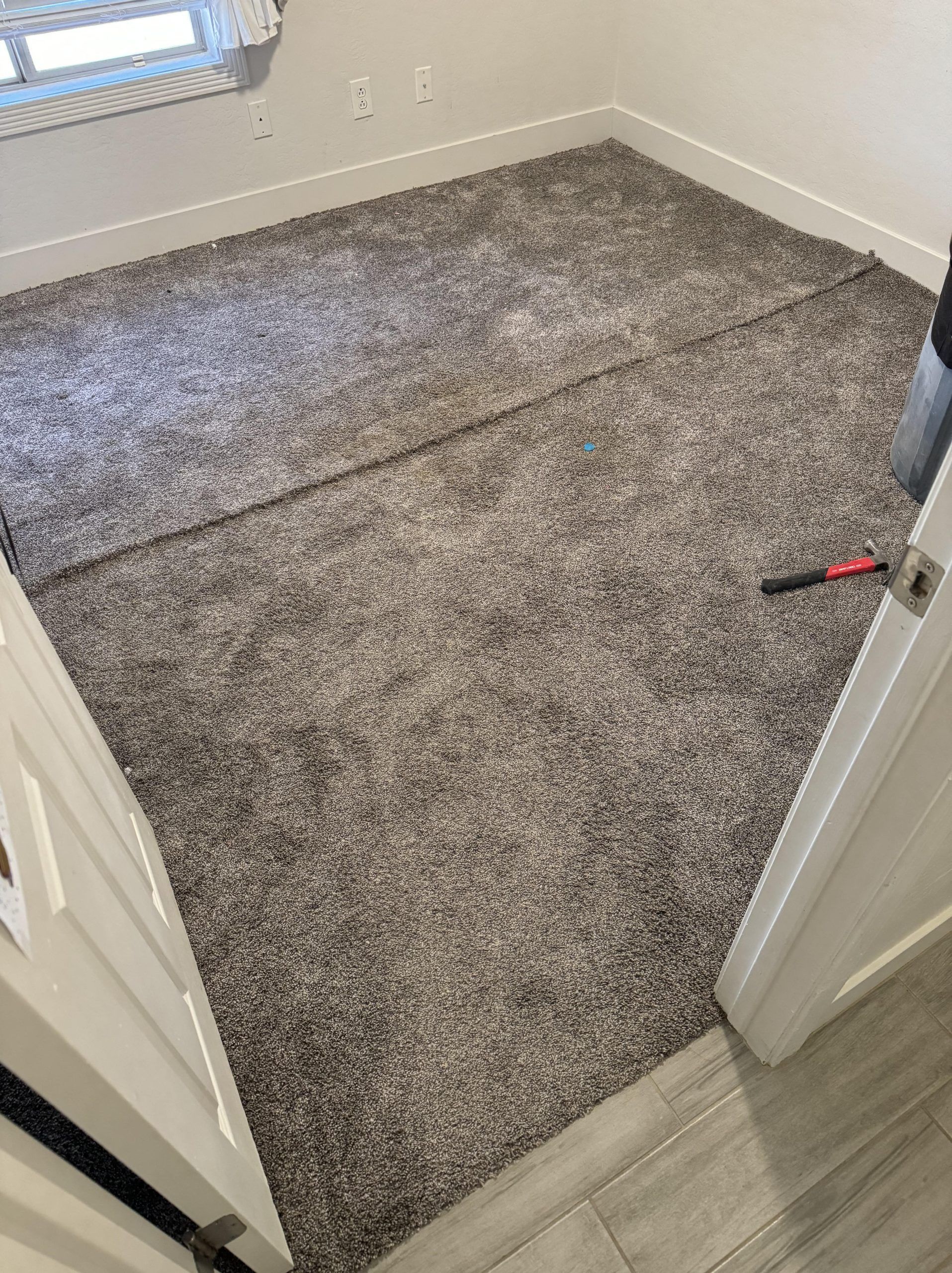
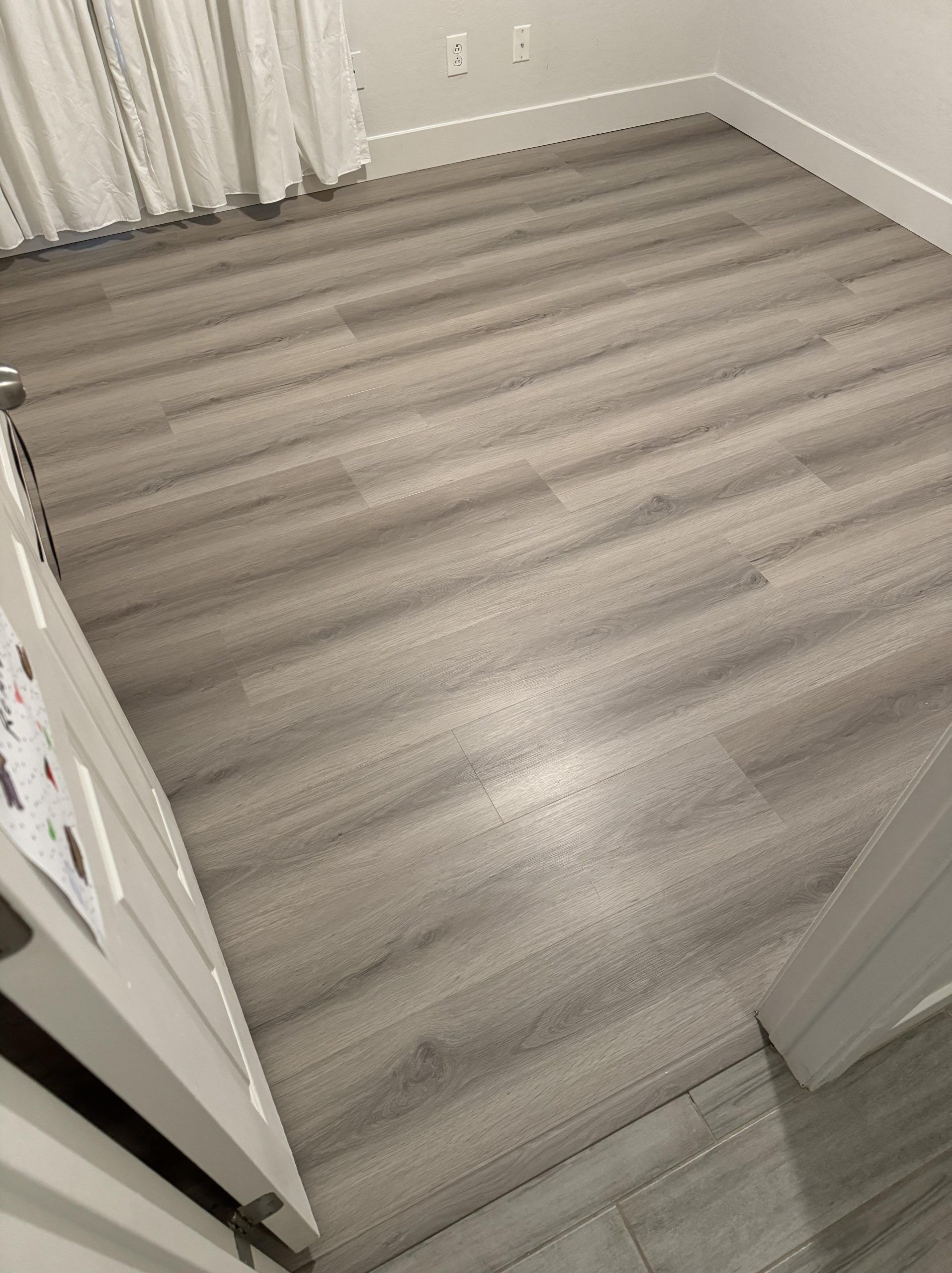
What LVP Installation Actually Accomplishes
Luxury vinyl plank installation involves layered decisions that affect how the floor performs over its lifespan. The wear layer thickness—measured in mils—is the most functionally significant specification when selecting LVP for residential use, because it determines how the surface holds up against scratching, scuffing, and chair leg pressure over years of use. Products used in high-traffic areas typically require a wear layer of twelve mils or greater; thinner products marketed at lower price points wear through faster and lose their surface texture in ways that become visible within a few years of installation. Subfloor preparation prior to installation determines whether the locking seams between planks remain tight and flat over time.
After installation is complete, the floor sits flat without visible seam separation, transitions between rooms are level and secure, and areas that previously showed water staining or soft surface material are covered with a surface that can be cleaned without concern for moisture penetration. Accent Home Improvements evaluates the subfloor before providing a project quote, which means the estimate reflects actual conditions rather than best-case assumptions—a distinction that prevents cost surprises when prep work turns out to be more involved than anticipated.
LVP products vary significantly by construction: click-lock floating installations behave differently from glue-down formats, and the right format depends on subfloor flatness, room size, and whether radiant heat is present beneath the floor. Floating installations allow for seasonal movement, which is relevant in rooms where temperature fluctuation is more pronounced. These format decisions are made during the assessment phase rather than after materials have been purchased, which prevents the cost of returning incompatible products.
Answers to Frequent LVP Installation Questions
Homeowners in Surprise and Peoria frequently ask about LVP's water resistance claims, how it compares to laminate in practice, and what the subfloor preparation process actually involves before installation day.
Why does material acclimation matter before LVP is installed?
Luxury vinyl plank expands and contracts with temperature, and planks installed without time to adjust to the room's ambient conditions can buckle or develop visible gaps at seams—acclimation time varies by product specification and the temperature differential between storage and installation environments.
How is subfloor moisture assessed before LVP installation begins?
Moisture readings are taken at multiple points across the subfloor using a meter, and areas that read above acceptable thresholds require a moisture mitigation step before installation—skipping this step in Surprise-area homes with concrete slab foundations is a known cause of adhesive failure in glue-down LVP formats.
What wear layer thickness is appropriate for a busy household in Surprise?
Residential applications with children, pets, or frequent foot traffic are typically better served by products with a wear layer of twelve mils or greater—thinner products can look visually identical at purchase but show surface wear patterns significantly sooner.
How does LVP handle the temperature variation in Arizona homes?
LVP is more dimensionally stable than wood-based products in temperature-variable environments, though floating installations in rooms with large thermal swings—like sunrooms or converted garages—require adequate expansion gap allowances at the perimeter to prevent buckling.
What is included in the installation scope beyond laying the planks?
The full scope includes subfloor moisture assessment, leveling where needed, material acclimation, transition strip installation at doorways and material changes, and furniture relocation—each of these steps affects the performance and appearance of the finished floor.
Accent Home Improvements LLC includes a subfloor evaluation with every LVP project so you know what preparation is needed before materials are ordered—call (602) 638-8383 to schedule a project review at your Surprise or Peoria property.